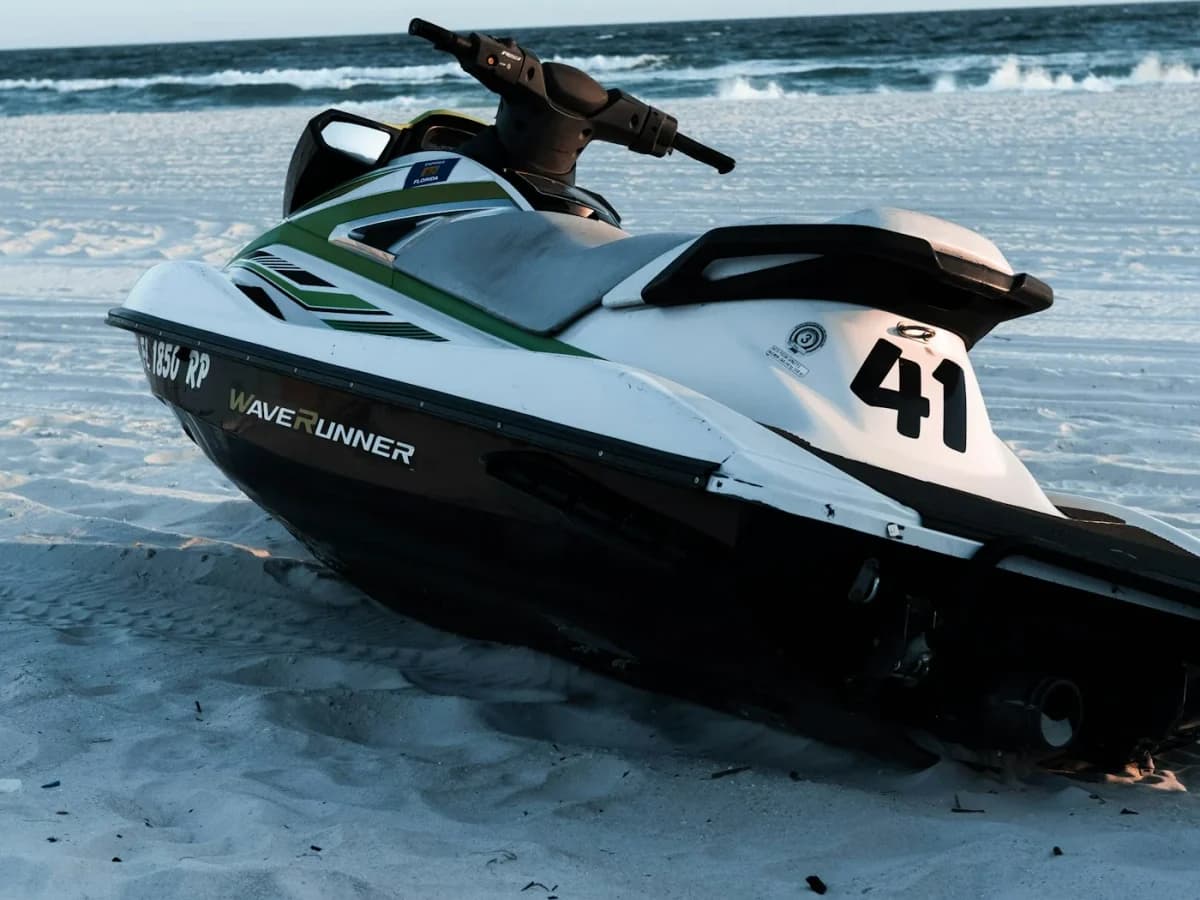
Visiting Pompano
Best Beaches In Pompano Beach
Wide Atlantic sand, pier-adjacent swims, and quieter stretches north and south — where to swim, park, and escape crowds on Pompano's coast.
Published June 24, 2026 · Updated June 25, 2026
Understanding Pompano Beach's Atlantic coastline
Pompano's public Atlantic shoreline runs for miles along North Ocean Boulevard (A1A) — wide groomed sand near the fishing pier, quieter access points north toward Lighthouse Point, and open surf typical of Broward's coast. You pay for parking in many municipal lots; the sand itself is free.
North Ocean Boulevard (A1A) parallels the entire beachfront — the scenic coastal road locals use for pier parking, sunrise drives, and spotting which access points have lifeguards on duty. Atlantic Boulevard runs inland parallel to A1A and is where you'll find everyday restaurants and services after a beach morning, not necessarily the closest sand.
Snowbird season from November through April brings the densest beach crowds, especially weekends when Midwestern and Northeastern regulars share the pier district with tournament anglers and visiting families flying into FLL. Summer thins daytime crowds but shifts the challenge to heat, UV, and predictable 3 p.m. thunderstorms.
Pier beach: the main event
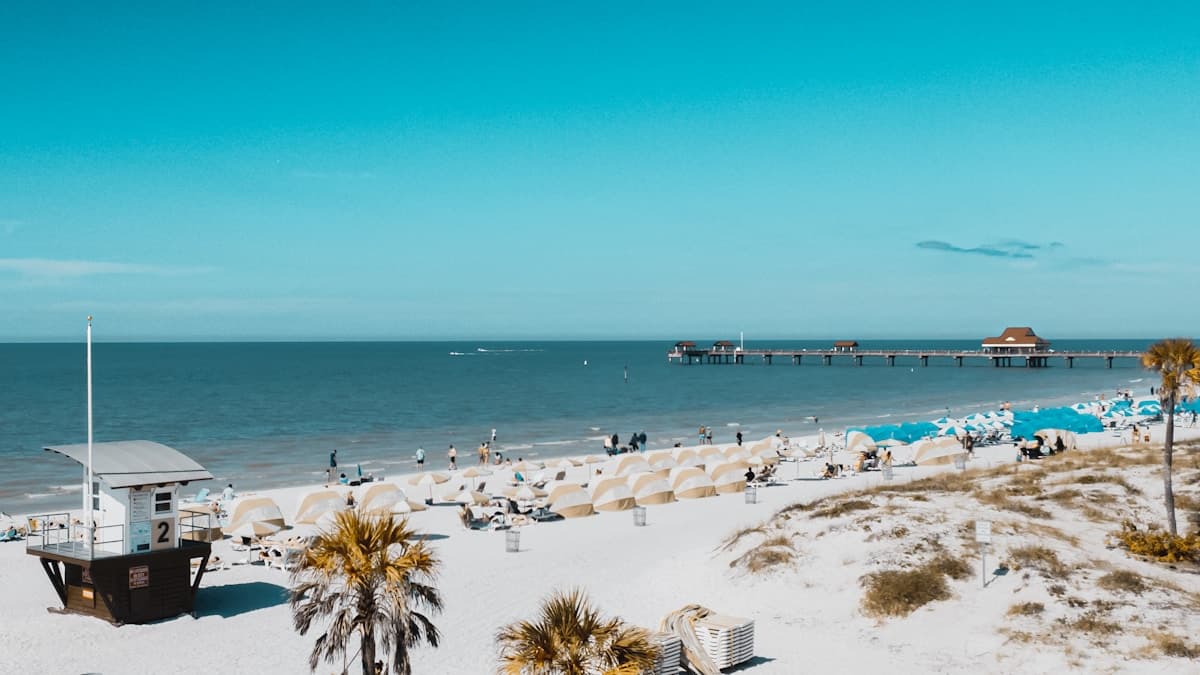
The beach flanking the Pompano Beach Fishing Pier is the default mental image of the city — palm-lined parking, the pier extending east into the Atlantic, and a broad strip of sand that accommodates swimmers, fishermen hauling carts, and sunset watchers. Lifeguard coverage and amenities concentrate here, making it the strongest choice for families and first-time visitors who want services nearby.
Parking is the bottleneck, not beach quality. Street and municipal lots fill by mid-morning on winter Saturdays. Our Parking & Pier Access Tips guide covers lot locations, early-arrival strategy, and what to expect when fishing tournaments clog A1A.
The pier itself is free to walk; swimming is free beyond parking costs. Rod rentals and bait shops at the approach serve anglers who want to fish the same water without a boat. Pair the pier beach with pier fishing and charters if you plan to graduate from sand to offshore.
North and south: quieter stretches
Heading north from the pier district toward Hillsboro Beach and the inlet, beach access points thin slightly but crowds often do too — especially on weekday mornings. The Hillsboro Inlet area marks where the Atlantic meets the Intracoastal; currents near the inlet demand respect, and this is boat-channel territory as much as swim territory. Watch for signage and avoid swimming near marina exits.
South toward Lauderdale, sand remains public along A1A with periodic access parks and metered lots. Visitors staying in beachfront hotels south of the pier core sometimes walk to less congested patches without crossing major intersections.
Cycling A1A on a beach cruiser — rentable near the boardwalk — lets you scout multiple access points in one morning and stop where parking looks open. See beach activities for rental and parasailing options along the strip.
Swimming safety and seasonal realities
Atlantic beaches here face east into open ocean — rip currents, shorebreak, and jellyfish pulses (especially after east winds) are part of the deal. Swim near lifeguard stations when possible and heed flag warnings at access points. Non-swimmers can still enjoy shoreline wading in calm mornings; afternoon chop and onshore wind pick up quickly.
Water temperature peaks in August and September; winter snowbirds often find the ocean cool enough for quick dips rather than long floats. Kids adapt faster than adults — pack rash guards year-round for UV protection regardless of temperature.
June through September afternoon storms are clockwork. Plan serious beach time for 8 a.m.–noon; move to Intracoastal restaurants, Fern Forest trails, or an indoor lunch on Atlantic Blvd when clouds stack inland.
Intracoastal beaches vs. Atlantic surf
Pompano's Intracoastal shoreline is not a surf beach — it's mangrove edges, marina docks, and seawalls with occasional sandy pockets. Families with toddlers sometimes prefer wading on the waterway side where chop is minimal, but Atlantic beaches remain the swimming destination.
Waterfront parks along the Intracoastal offer picnic tables, boat-watching, and sunset views facing the mainland skyline — a different vibe than ocean horizon sunsets. Harbor restaurants on the waterway make strong dinner stops after an Atlantic beach day.
Kayak launches let you explore the Intracoastal without ocean swell. Calm-water paddling complements a surf beach morning; book guided options through our water adventures section or pair a beach morning with an afternoon boat tour when you want narrated sightseeing without paddling.
Gear, budgets, and beach-day logistics
Chairs, umbrellas, and coolers are BYO for most public access — rentals exist near the pier but cost more than bringing your own from a Walmart on Atlantic Blvd. Our Budget-Friendly Beach Days guide breaks down parking hacks, packed lunches, and free pier time.
Hotels and vacation rentals within walking distance of A1A eliminate daily parking hunts — worth comparing on our Homes page if beach access is your primary trip goal. Snowbird weekly rentals sometimes beat hotel nightly rates for families who need kitchens and laundry.
First visit? The First-Timer's Guide covers airport drives from FLL, neighborhood orientation, and how to structure day one around the pier beach before you explore farther north or south.
Things to Know Before You Go
Parking drives your beach choice
The best sand means little if you cannot park. Arrive early near the pier or scout north/south access when central lots show full signs.
Lifeguards are not everywhere
Swim near posted guard stations when possible. Remote access points may be unguarded — fine for walks, riskier for weak swimmers.
Alcohol rules vary by access point
Glass is widely prohibited; alcohol policies differ by park. Read posted rules at each entrance — assumptions from other states do not apply.
Related Places
Frequently Asked Questions
- What is the best beach in Pompano Beach?
- The pier-adjacent public beach along A1A is the most accessible and amenity-rich — wide sand, lifeguards, and the iconic fishing pier. Quieter stretches exist north toward Hillsboro Inlet and south toward Lauderdale for visitors who prioritize space over convenience.
- Is Pompano Beach free?
- Beach access and swimming are free at public points. You may pay for parking, rentals, and concessions. Private resort beaches are rare along this strip compared to other Florida destinations.
- Are Pompano beaches good for families?
- Yes. Wide sand, pier entertainment, lifeguard zones near the main district, and calm Intracoastal alternatives make family days straightforward. Mornings work best for kids; afternoon storms are common summer.
- Can you walk from beach to beach along the sand?
- Long walks are possible at low tide along much of the coast, but access points, groins, and inlet channels interrupt continuous routes. A1A bike rentals are often faster for scouting multiple beaches in one morning.
- When is the water warmest?
- Late summer (August–September) brings the warmest Atlantic temperatures. Winter snowbird season has cooler water but comfortable air — many visitors swim briefly or stick to shoreline play.
Keep Reading
Related Guides
 Guide
GuideParking & Pier Access Tips
Where to park for free, best times to visit the pier, and how to avoid weekend crowds.
Read Guide Guide
GuideBudget-Friendly Beach Days
Free beach access, affordable chair rentals, and picnic spots that keep more money in your pocket.
Read Guide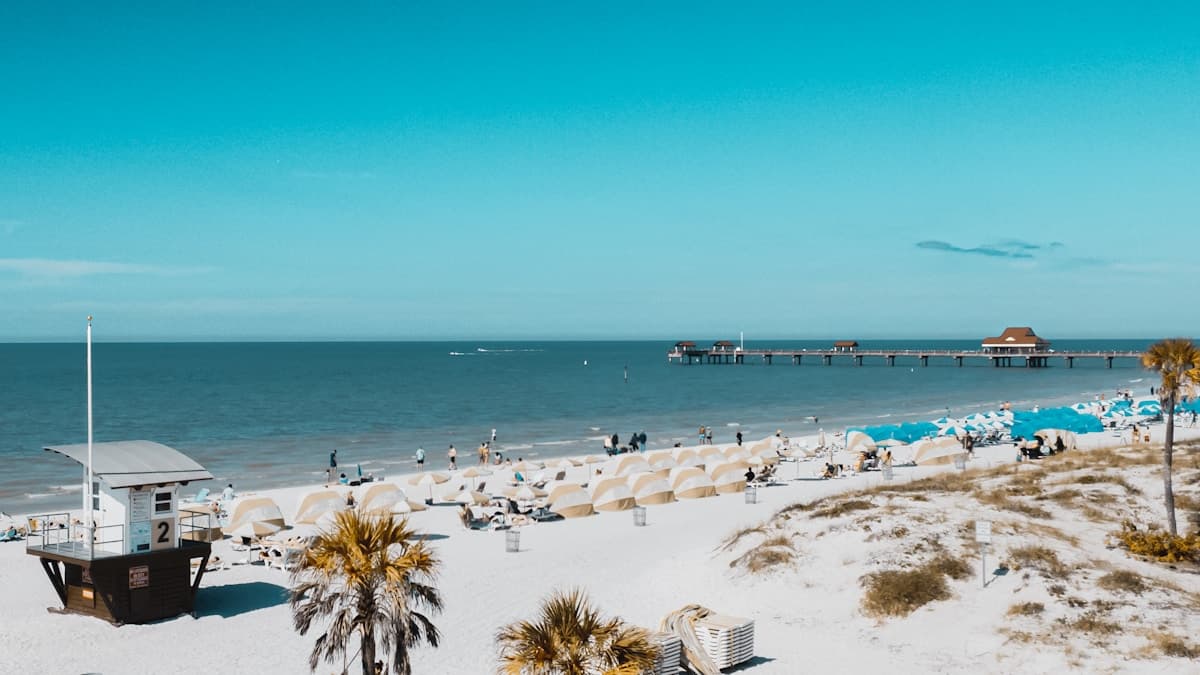 Guide
GuideFirst-Timer's Guide to Pompano Beach
Parking tips, pier walks, and the best free spots — everything you need for a great first visit.
Read Guide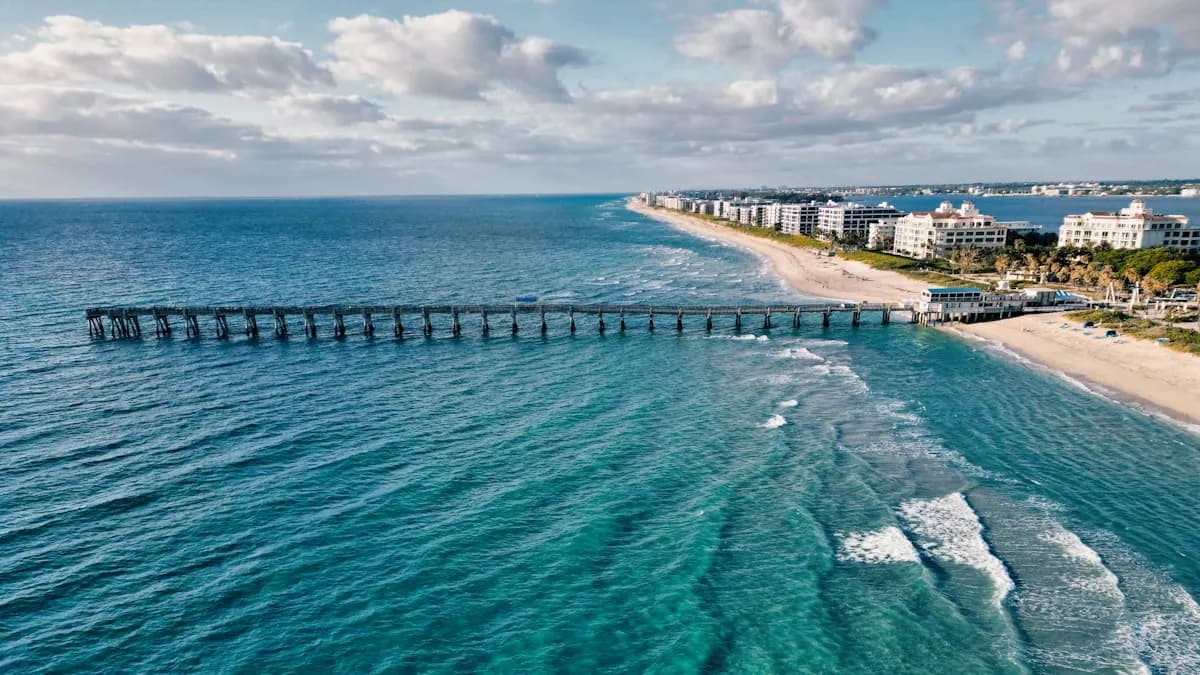 Guide
GuideBest Things To Do In Pompano Beach In 2026
Pier walks, reef snorkeling, Hillsboro Inlet cruises, and Intracoastal paddling — the top Pompano Beach activities for every budget and season.
Read Guide Guide
GuideFamily-Friendly Things To Do In Pompano Beach
Wide beaches, pier walks, calm Intracoastal paddles, and shaded parks — a practical family guide to Pompano Beach with kids and grandparents.
Read Guide Guide
GuidePompano Beach Fishing Guide
Pier angling, offshore charters, Hillsboro Inlet launches, and Florida license basics — how to fish Pompano Beach like a local.
Read GuideOn The Water
Related Excursions
Half Day · All Ages
Pompano Reef Charters
Half-day offshore and reef fishing charters departing from Pompano Beach — mahi, snapper, and family-friendly crews.
Daily departures · Reserve 24–48 hours ahead in season
Learn more